Why we invested in AZX: Embedding AI into critical industries at scale
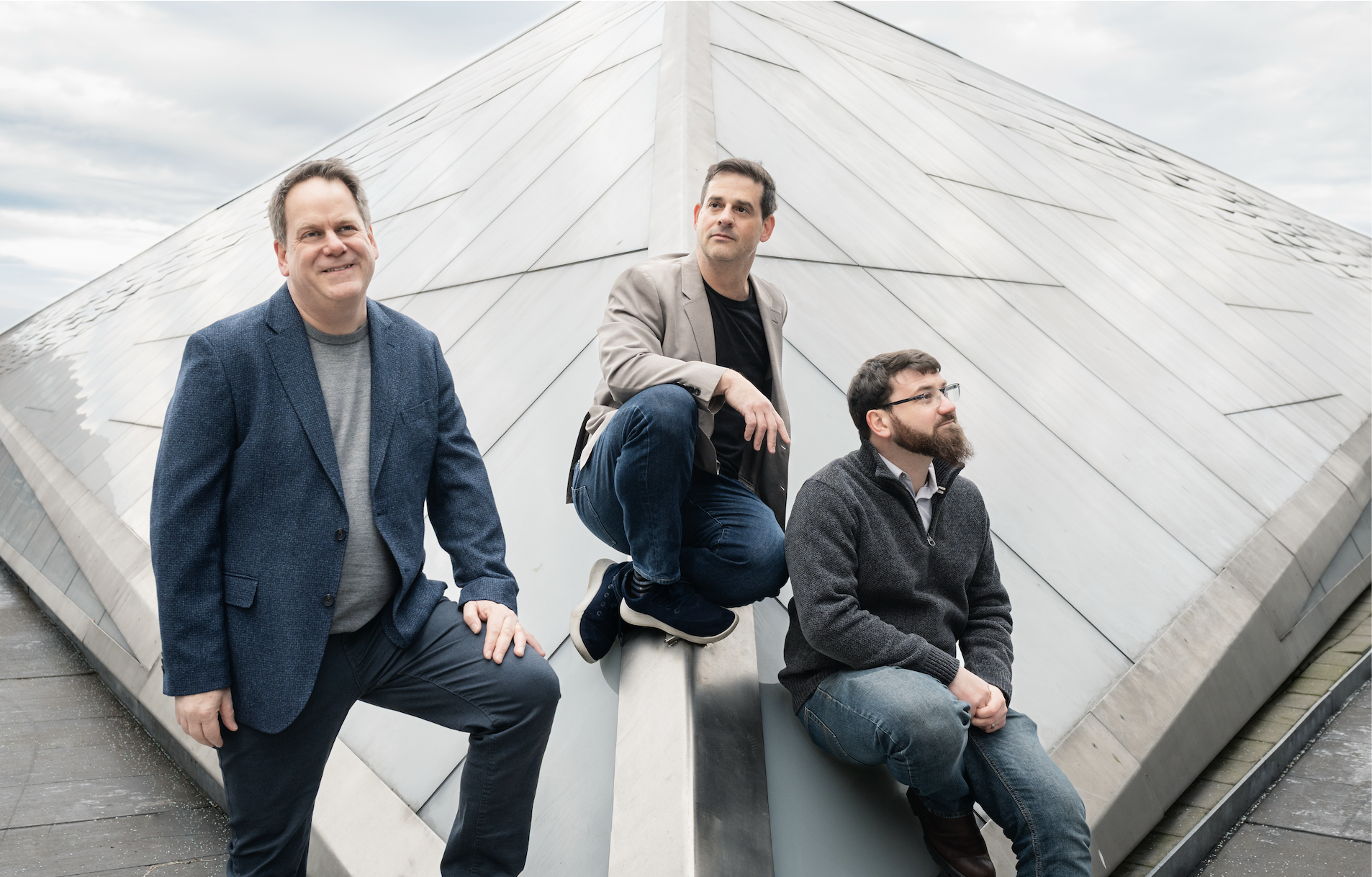
When we first met Aaron Goldfeder through a friendly introduction, we recognized a founder that had that rare combination of unwavering purpose, humility and deep industry expertise.
We also knew that we were at a major inflection point defined by dizzying paradigm shifts as the rate of AI adoption represents one of the most consequential shifts underway in technology today. At first glance, applying AI to critical, asset-heavy industries can look deceptively similar to enterprise services or systems integration. In reality, it requires deep domain expertise, embedded delivery, and a scalable, platform-driven approach purpose-built for operational complexity.
Industries such as energy, utilities, infrastructure, and commercial real estate are not constrained by a lack of software. They are constrained by fragmented data, legacy systems, regulatory oversight, and the real-world consequences of failure. In these environments, AI does not succeed by displacing systems of record or by deploying generic, multi-tenant SaaS tools. It succeeds by embedding inside organisations, integrating securely into existing environments, and delivering systems of insight, workflow, and decision-making that sit alongside core infrastructure, not on top of it.
This reality is giving rise to a broader trend we believe will define AI adoption in critical industries: forward-deployed, services-led AI platforms. Increasingly, the most effective AI companies in these sectors look less like traditional software vendors and more like hybrid organisations that combine embedded teams, deep operational understanding, and reusable technology platforms. This model has been validated over the past decade by companies like Palantir, which demonstrated that deeply embedded delivery can scale when paired with strong underlying technology. This is not something traditional consulting firms are structurally well positioned to replicate, nor is it well served by classic SaaS economics.
AZX fits squarely within this shift. And the founding team is a big part of the why. The company was founded by a group of seasoned entrepreneurs with deep roots in the very industries they are now transforming. Aaron previously helped build EnergySavvy, a company focused on helping utilities manage customer relationships, which was acquired by Uplight. He later co-founded Meetingflow, an AI-native scheduling platform that emerged from the AI2 Incubator and was acquired in 2024. His co-founders, Rich Evans and Michael Albrecht, bring complementary experience across technology leadership and operations, including senior roles at EnergySavvy and Microsoft.
This background matters. AZX was not conceived as an abstract AI tooling company looking for a problem. It was built by founders who have spent years inside utilities, energy companies, and real estate organisations navigating messy internal processes, legacy systems, regulators, and procurement cycles. As Aaron put it to us early on, “this company was just waiting to be born.” That lived experience shows up clearly in how AZX approaches customers and product.
The company uses AI to build custom applications and models that integrate directly into a customer’s existing systems, specifically to address the unstructured data and brittle workflows that off-the-shelf tools routinely fail to fix. Advances in AI and modern software engineering have fundamentally changed the economics of custom solutions, making it possible to build systems that are both tailored and maintainable. AZX’s model reflects this shift: forward-deployed teams solving real problems today, paired with a growing set of reusable platform capabilities that compound across engagements.
We do not view AZX as a services business attempting to become a platform. The founding team are experienced software builders who deliberately chose to work backwards from customer problems rather than start with generic tools. Human-in-the-loop workflows are not a compromise; they are a feature. In regulated, safety-critical industries, close collaboration between humans and AI is what drives trust, adoption, and large contract value. History has shown that this model can scale globally when the platform underneath is designed to capture learnings and patterns across customers.
The market opportunity reflects this broader shift. Spending on AI and analytics in critical industries is accelerating rapidly, often reaching hundreds of millions of dollars per organisation, yet incumbents leave substantial whitespace. Customers increasingly demand solutions deployed in their own cloud environments, integrated across systems, and aligned with regulatory and operational reality rather than abstract benchmarks. Services-led AI transformation is becoming the norm, not the exception.
Finally, we were drawn to AZX’s mission. The company is structured as a public benefit corporation, with an explicit focus on accelerating the energy transition, supporting climate adaptation, and applying advanced technology to the world’s most pressing problems. That orientation is already reflected in their customer base across clean energy and real estate, and in the people they are bringing onto the team.
We invested in AZX because we believe the next generation of category-defining AI companies in critical industries will not look like traditional SaaS vendors or traditional consultants. They will be built by operators with deep domain expertise, embedding alongside customers, and delivering AI systems that materially change how essential industries operate. AZX is building at the center of that transition, and we’re excited to support them as they scale.
--
written by Talia Rafaeli, Partner at KOMPAS VC