Inside Backslash: Why security had to be rebuilt for AI-native software development
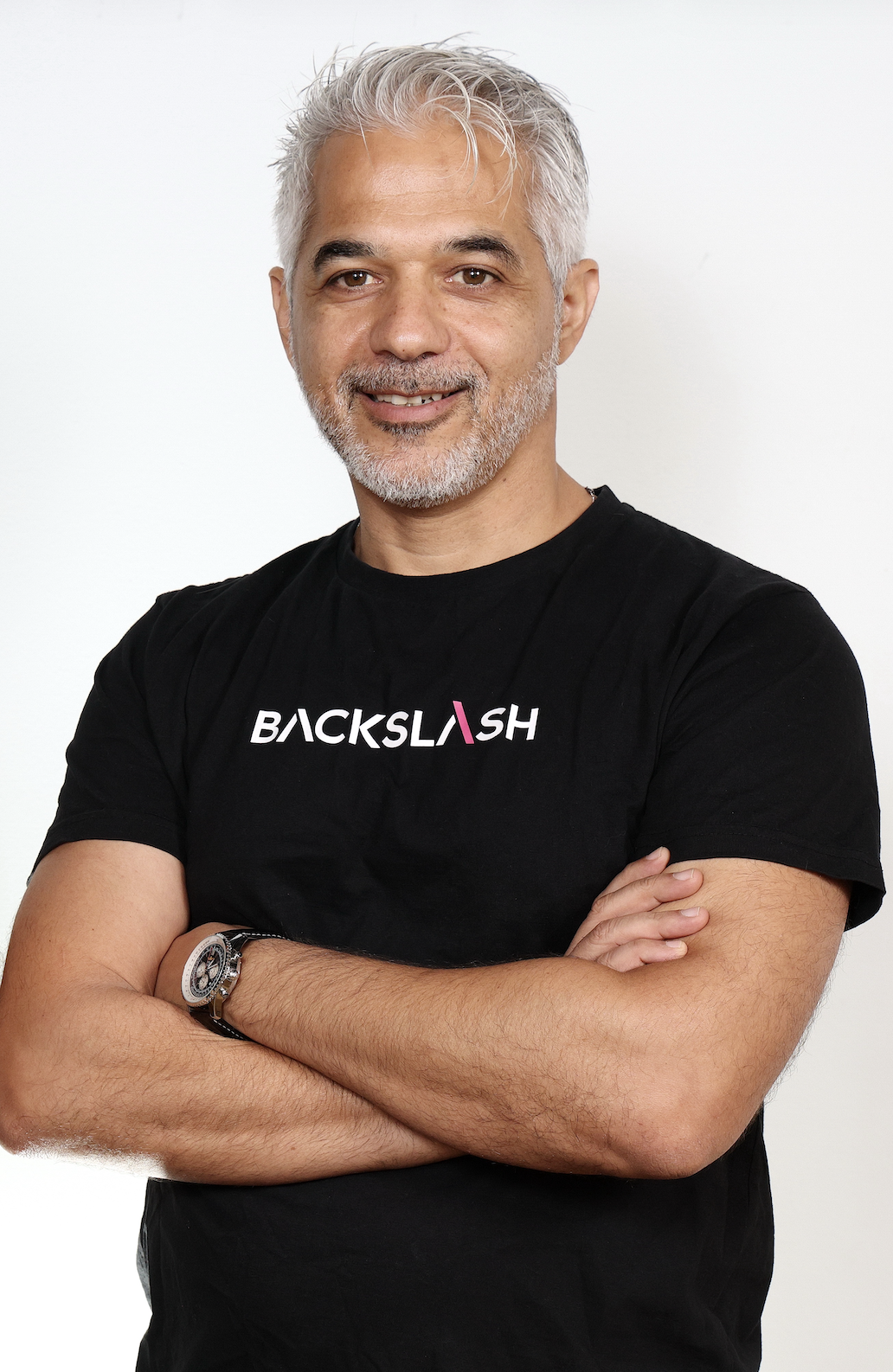
An interview with Shahar Man, CEO and co-founder of Backslash Security
AI has changed software development before.
But according to Shahar Man, Co-founder and CEO of Backslash Security, what’s happening now is different.
“This isn’t just a productivity upgrade,” Shahar explains. “It’s a structural shift in how software is created.”
When AI agents began writing and shipping code autonomously, the assumptions underlying application security quietly collapsed.
The Interview: Inside Backslash
Q: What “aha” moment made you realise this was the right problem to solve?
Shahar points to a single signal that made the shift impossible to ignore.
When Cursor reached $100 million in ARR in just a few months, it confirmed what many developers already knew: AI wasn’t just assisting humans anymore. It was fundamentally reshaping how code is produced.
“That’s when it became clear,” Shahar explains. “We weren’t dealing with assistants. We were dealing with agents.”
From a security perspective, this was seismic. AI tools were now embedded inside IDEs, connected to MCP servers, and orchestrating workflows across systems — all at a speed traditional security tools simply couldn’t follow.
Security teams weren’t failing. They were blind.
Q: Can you share a recent example of real-world impact?
Shahar recalls one customer deployment that immediately changed how security and engineering interacted.
Within minutes of deploying Backslash, the security team discovered that developers were actively using DeepSeek — a Chinese-based AI model explicitly forbidden by company policy. They also uncovered multiple MCPs running with excessive permissions.
“What mattered wasn’t just finding the issues,” Shahar notes. “It was that security finally had visibility.”
Armed with concrete evidence, security teams were able to justify oversight without friction. The conversation shifted from opinion to fact.
Q: What is the boldest risk you have taken so far - and how did it pay off?
Backslash made an early and explicit bet: that vibe coding would become standard in enterprise environments. At the time, it felt ahead of the curve. Months later, Gartner predicted that by 2028, 40% of new enterprise production software would be created using vibe coding tools and techniques.
“The risk wasn’t betting on the future,” Shahar says. “It was betting early — and building before the category was obvious.” That early focus allowed Backslash to design security for the entire AI development stack, rather than patching gaps as they emerged.
Q: What lesson has surprised you most when working with traditional industries?
Despite assumptions to the contrary, Shahar has found that traditional and regulated industries are often among the fastest adopters of AI-native development.
“They don’t want security to slow things down,” he explains. “They want it solved upfront.”
Rather than resisting AI, these organisations are actively seeking ways to adopt it safely — making them strong early adopters of platforms built for governance, visibility, and control.
Q: What are the long-term ripple effects if Backslash succeeds?
Shahar is clear: security cannot be the bottleneck that slows AI adoption. “If security is the main barrier,” he says, “innovation stalls.”
By removing that barrier, Backslash aims to enable the unfettered — but safe — adoption of AI-native coding practices. The result isn’t just faster development, but a new baseline for how software is built, governed, and trusted.
The shift to AI-driven development is inevitable. Backslash exists to make sure security evolves with it — not behind it.
About Backslash
Backslash is the vibe coding security company.
Purpose-built for AI-native software development, Backslash provides visibility, governance, and real-time protection across IDEs, AI agents, MCP servers, LLM workflows, and generated code.
By securing the entire AI development stack — not just individual tools — Backslash enables enterprises to scale AI-driven development with confidence, speed, and control.
Continue reading more about Backslash and why we invested or visit their website at backslash.security
---
Note. article written by Pauline Jimenez, Head of Marketing at KOMPAS VC